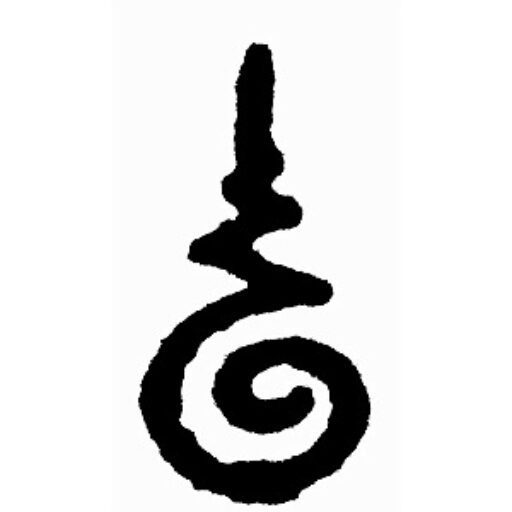
Abstract Heinrich Jäschke, a nineteenth-century Moravian missionary to Ladakh, is mostly known amongst scholars of Tibet for his pioneering 1881 Tibetan–English Dictionary. In his entry on ‘rlung’—a fundamental concept of Tibetan medicine and Tibetan Tantric Buddhism, commonly translated into English as ‘wind’, ‘breath’ or ‘vital energy’—following his definition of theContinue Reading

Abstract In Vipassana meditation practice, the first common object is the breath. By allowing the breath to be the focus of your awareness, one lets the social world full of discursive thought, self-reflexivity and judgement move into the background. Yet, we know that as intimate and solitary as this breathContinue Reading

Abstract This presentation will describe how urban Mongolians navigate the capital city Ulaanbaatar’s chronic air pollution in relation to breath, clarity, bodily winds and purification. It will describe how blockages in breath relate to other kinds of obscuration and stagnation in the post-socialist period. In Ulaanbaatar the murky and obscuringContinue Reading

Abstract This presentation explores how Tibetan Buddhist and medical notions of the relationship between heart, wind and mind come together to explain the (dys)functioning of the mind, and how this is understood to lead to various forms of ‘mental illness’ through incorrect Tantric practice and other factors including an individual’sContinue Reading

Abstract The contemplative technique of tummo (gtum mo, caṇḍālī) – literally, the “fierce lady” – is a consummate practice of Vajrayāna Tibetan Buddhist yoga. To understand this somatic yoga and breathwork practice, this presentation discusses (a) tummo in the context of a Buddhist tantric practice curriculum; (b) the philosophy andContinue Reading

Abstract This conversation will consider Seng Kan Cheung, a contemporary Chinese American religious healer who uses qigong, reiki, and Buddhist spells. He shares these practices and exchanges healing with a community of relatives, friends, students, and patients in the New York City area. Breathing is involuntary, yet can also be voluntarily controlled.Continue Reading